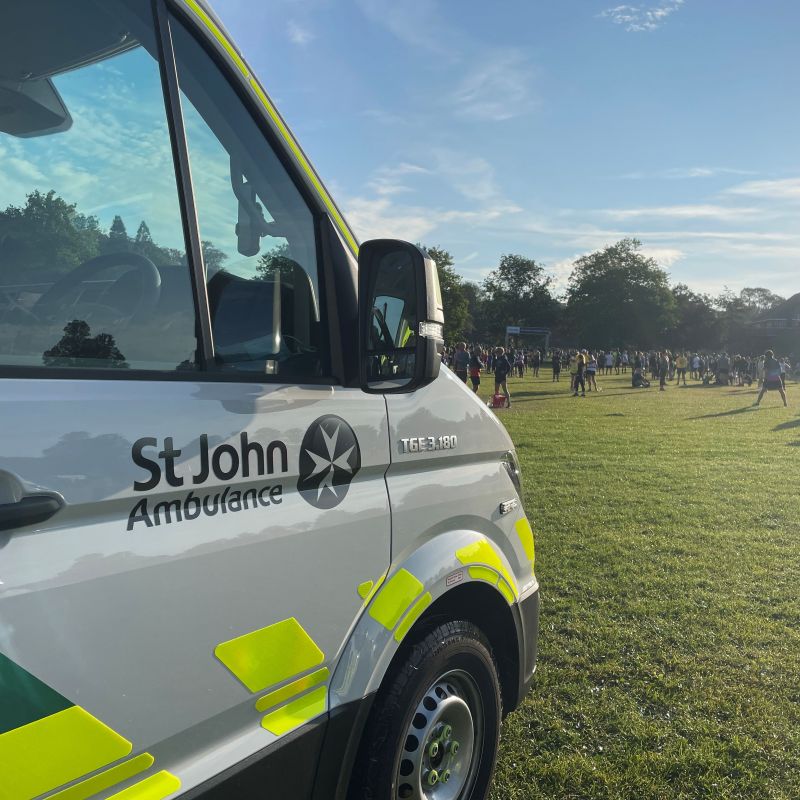
With the prospect of hotter than average weather in parts of England, first aid and health response charity St John Ambulance explains how you can stay safe in the sunshine.
Knowing how to spot the symptoms and treat common heat-related conditions such as heat exhaustion, heatstroke, sunburn and dehydration can also be vital in helping people look after themselves and others, as well as preventing avoidable trips to hospital.
Long periods in the sun can take its toll after a while and can lead to heat exhaustion, which is caused by a loss of salt and water from the body, usually through excessive sweating. It develops slowly and usually happens to people who aren’t used to hot, humid weather. If you’re at a festival or outdoor event and it’s very hot, it’s easy to develop heat exhaustion.
These are typical symptoms:
- Headache.
- Dizziness and confusion.
- Loss of appetite and feeling sick.
- Sweating with pale clammy skin.
- Cramps in the arms, legs and stomach.
- Fast, weakening pulse and breathing.
Treating heat exhaustion:
- Move them out of the sun, into shade.
- Help them to lie down in a cool place and raise their legs.
- Give them lots of water to drink or isotonic sports drinks.
- Check their breathing, pulse and responsiveness.
- Suggest they get medical advice. Call 999/112 if you are concerned.
Heatstroke should be suspected when someone becomes unwell with altered behaviour or reduced consciousness in hot conditions, particularly if they are very hot.
The initial first response for this is:
- Shade: get them out of the sun or away from the heat source
- Strip: take all extra layers off the person, ideally down to their underwear
- Spray: spray misted water over the patient or pour cool water over them
- Fan: waft air across them with a fan to promote evaporation
Heatstroke can be life threatening. If someone is unconscious, fitting, or getting worse, call 999 immediately. If the patient becomes unresponsive, check their breathing.
It’s important to avoid too much exposure to the sun by covering up with clothing, staying in the shade and applying high factor sunscreen. Most sunburn is mild, but in severe cases the skin can become damaged, turn lobster red and blister. They may also develop heat exhaustion.
Symptoms of sunburn include:
- Reddened skin.
- Pain in the area of the burn.
- There may be blistering.
Treating sunburn:
- Move them out of the sun, into shade.
- Cover the skin with light clothing.
- Give them cold water to sip.
- Cool the skin with cool water for 10 minutes.
- Apply aftersun cream or spray, or a perfume-free moisturiser to soothe mild sunburn.
- If there are blisters, advise that they see a healthcare professional.
- Treat any symptoms of heat exhaustion or
heatstroke and get medical help.
Dehydration happens when someone loses more fluid than they take in, especially if it’s really hot outside, so make sure you’re sipping lots of water at regular intervals.
There are four key things to look for:
- Headaches and light-headedness.
- Dry mouth, eyes and lips.
- Passing only small amounts of dark urine.
- Muscle cramps.
Treating dehydration:
- Move them out of the sun, into shade.
- Help them to sit down and give them plenty of water to drink.
- Giving them an oral rehydration solution to drink will help replace salt and other minerals which they’ve lost – you can buy this in sachets from any pharmacy.
- If they have any painful cramps, encourage them to rest, help them stretch and massage their muscles that hurt.
- Keep checking how they’re feeling – if they still feel unwell once they’re rehydrated then encourage them to see a healthcare professional straight away.
- If left untreated, someone with dehydration can develop heat exhaustion, which is more serious, so it’s important to make sure they rehydrate themselves as soon as possible.
Keeping well hydrated, staying in the shade during the hottest part of the day, and applying a high‑factor sunscreen regularly are all straightforward ways to reduce the risk of heat‑related illness. Wearing a cap or a sunhat in the sunshine is also advisable.
Finally, remember that even if it's not direct sun exposure, your body can still be affected by the heat.
For much more information about heat-related conditions please visit https://www.sja.org.uk/get-advice/ .
KEEP SAFE IN THE HOT WEATHER
By Dr Lynn Thomas, Medical Director, St John Ambulance
Photo: St John Ambulance - heat-related first aid advice