Project will also hunt for one of UK’s largest moths
The UK's national butterfly charity is calling for volunteers across the north of England to help hunt for one of the country’s most endangered species.
Butterfly Conservation is employing two new full-time members of staff to lead the two-and-a-half-year search across Yorkshire, Cumbria, Northumberland and Lancashire for the Large Heath butterfly.
The project has been funded £300,000 by Elgol Fund for Nature to find out how this and other rare species are being affected by climate change and human actions.
Butterfly Conservation Head of Conservation for England Dave Wainwright said: "We are excited to be embarking on this project, but also a little worried about what we are going to find out: the last time we surveyed most of these sites was over 20 years ago, and I suspect a lot of them are now being affected by climate change.
“It’s likely that some of the populations of Large Heath that we found 20 years ago will be gone completely now, and if that’s the case we need to find out so we can help others."
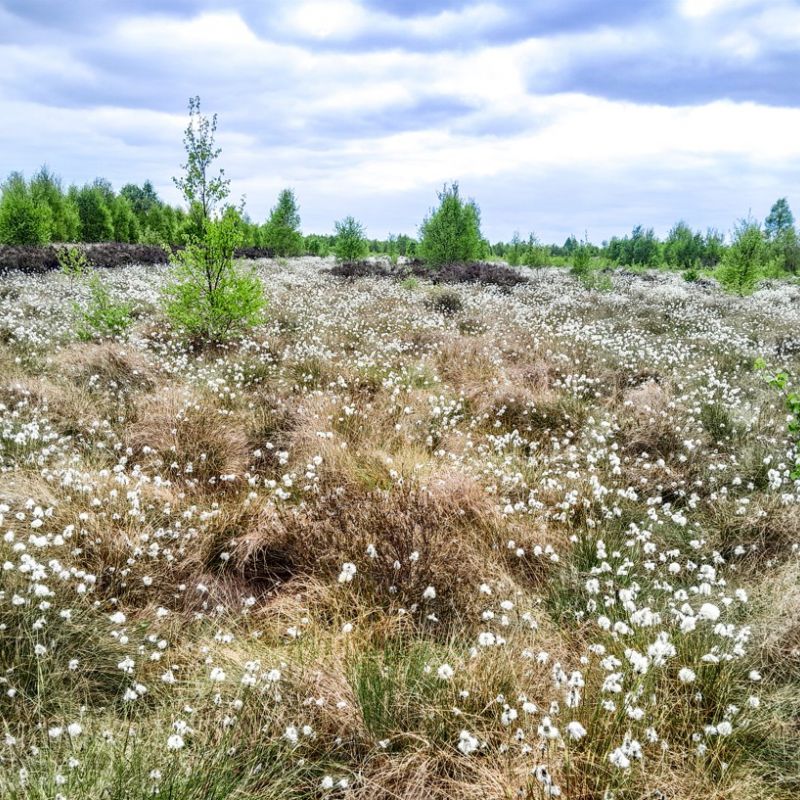
The Large Heath, Coenonympha tullia, is one of the most endangered butterflies in Europe. The caterpillars feed mainly on a plant called hare’s-tail cottongrass and the adults almost exclusively drink nectar from a type of heather called cross-leaved heath. Both these plants are almost entirely restricted to peat bogs.
However, over the past 200 years, peat bogs across Europe have been destroyed by human action: draining them to create agricultural land, and harvesting peat on an industrial scale to use as fuel and compost. Now climate change is bringing warmer weather which is affecting the delicate balance of plants in peatlands and threatening to destroy these precious ecosystems.
The Large Heath is now listed on the IUCN Red List as 'vulnerable and decreasing in Europe'.
Dave added: “We don’t know precisely how the butterfly is faring in England because so few of its sites are monitored. We need to remedy this, and our new officers will soon be recruiting volunteers who are keen to help.”
Many land owners have made efforts to restore peat bogs by pulling out invasive plants and creating dams to keep in the water, and most peatland restoration is focused on carbon sequestration and water regulation – however there is a significant opportunity to help wildlife such as the Large Heath as well.
In this project, Butterfly Conservation will work with numerous partners to deliver nature-based solutions in peatland landscapes across northern England, to investigate and improve the way habitat restoration can support threatened butterflies and moths.
The last time Butterfly Conservation carried out a dedicated survey of Large Heaths on peat bogs was more than 20 years ago. Now it aims to assess the state of 50 peat bogs across the north.
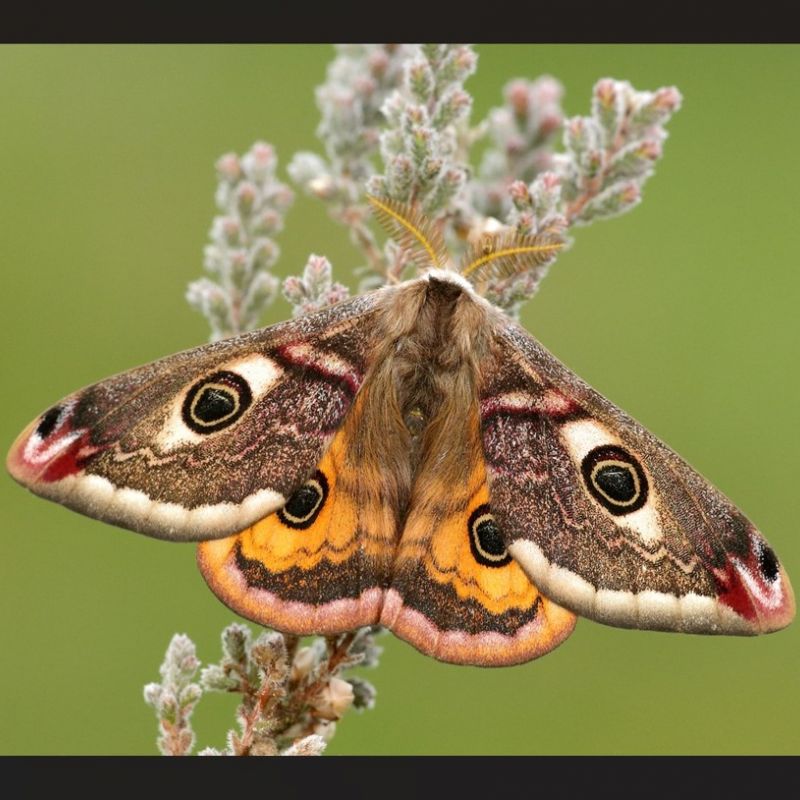
The team will also be looking out for other iconic peat bog species that can help indicate the health of the habitat, including one of the UK's largest and most beautiful moths - the Emperor.
This species has orange-and-red wings up to 9cm across, large eye spots to scare off predators and males have big, furry antennae with which they can detect a female's pheromones from 2km away.
The charity hopes to take advantage of this trait by training volunteers to use pheromone lures to attract males and monitor Emperor numbers.
The team will also be looking for Green Hairstreak butterflies, Small Pearl-bordered Fritillaries, the local Manchester Treble-bar moth and the colourful yellow-and-black spotted Wood Tiger moth.
Ultimately, Butterfly Conservation hopes to be able to develop action plans for how to help the Large Heath and its fellow peat bog denizens which it can share with landowners and other conservation organisations, along with some tailor-made site recommendations for certain landowners.
Anyone interesting in getting involved or wanting to find out more can email mwain@butterfly-conservation.
Butterfly Conservation is also raising funds to do further work to help the Large Heath in England, Wales, Scotland and Northern Ireland. Find out more at https://butterfly-
Find out more about the Elgol Fund for Nature at elgolfundfornature.org
Photo Credit - Iain Leach
Habitat Thorne Moor
Emperor Moth